

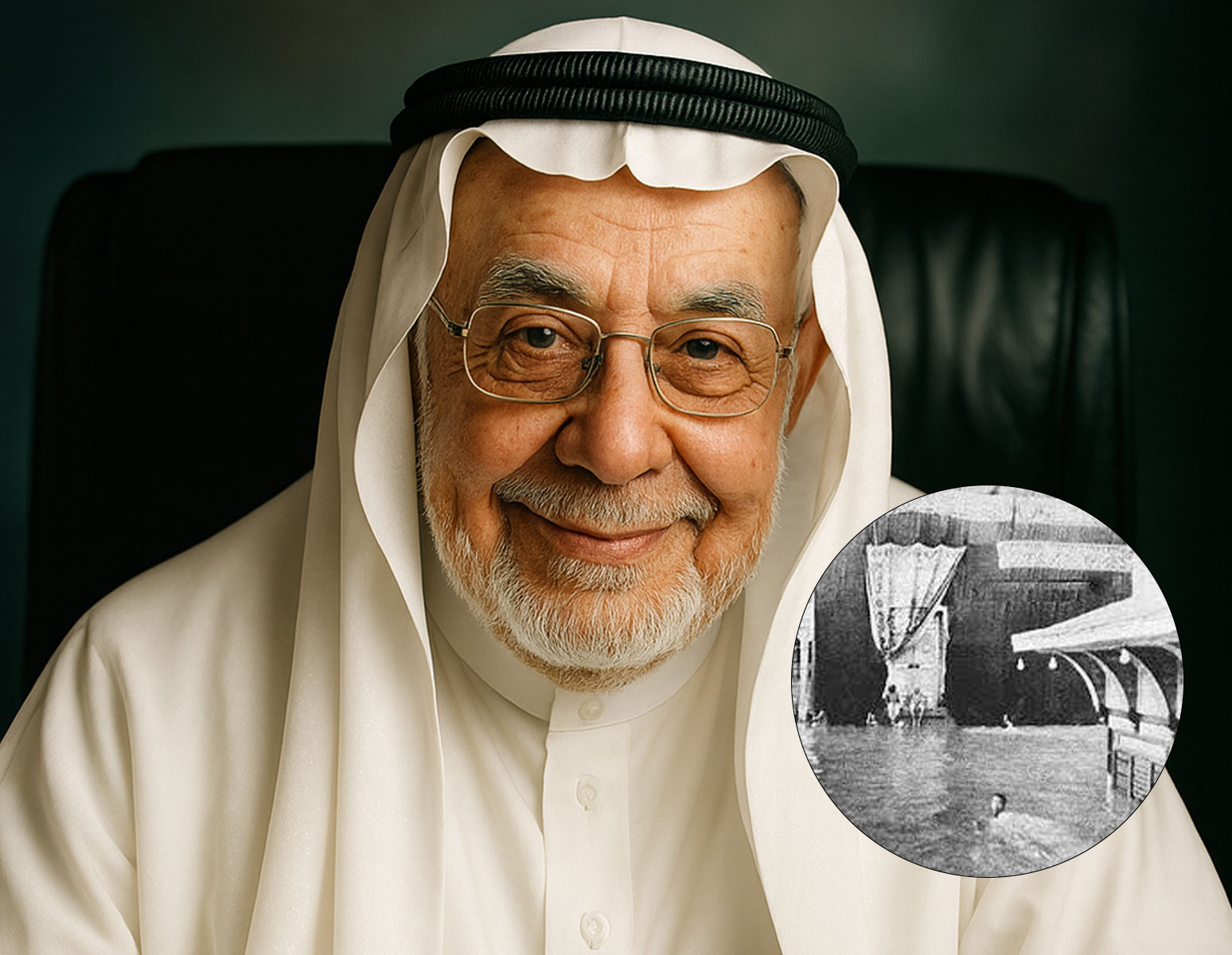
Eighty-four years ago, in 1941, Makkah witnessed one of the most dramatic floods in its recorded history — a flood so severe that the water inside the Masjid al-Haram rose above six feet, nearly submerging the Holy Kaaba’s base. Amid this extraordinary moment, one scene became legendary: Ali Al-Awadhi, a devoted worshipper, performed Tawaf by swimming, circling the Kaaba with only its upper portion visible above the water.
Historic photographs and eyewitness accounts from that year describe the Haram completely engulfed, with pilgrims navigating the sacred space on wooden planks, makeshift rafts — and in Ali Al-Awadhi’s case, by swimming with unwavering devotion.
The 1941 flood remains one of the most unforgettable natural events in Makkah’s history, caused by unusually heavy rainfall overpowering the city’s limited drainage system. It marked a defining moment of resilience, faith, and the powerful connection Muslims hold with the Kaaba — even in the face of overwhelming disaster.
Today, as the story resurfaces, it continues to inspire millions worldwide, reminding believers of the unshakeable spirit of worship that has endured through centuries.