

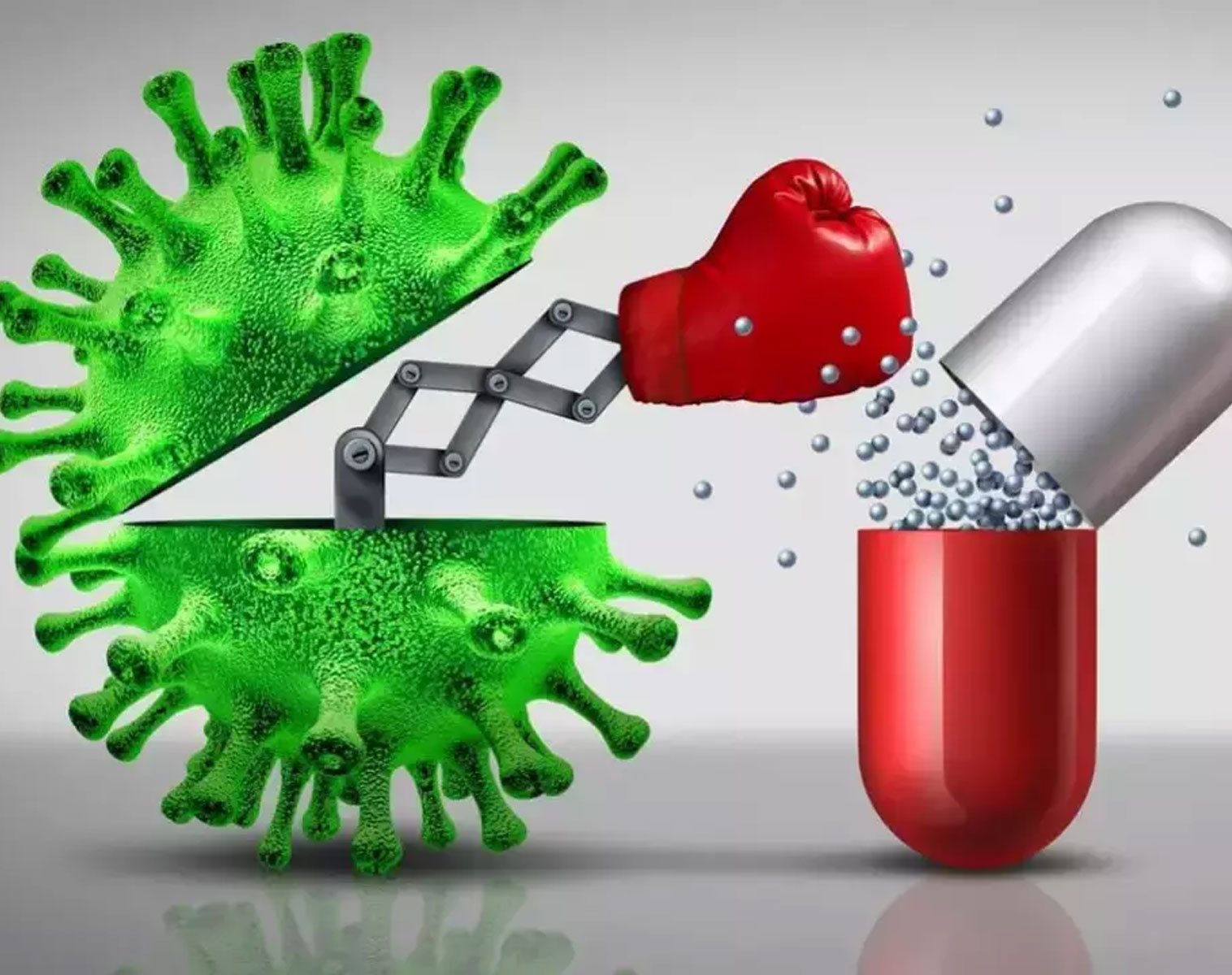
WHO would have thought that the very microorganisms targeted by life-saving medicines would evolve to defy them?
Despite unprecedented advancements in medical science over recent decades, the world faces a major challenge in the form of antimicrobial resistance (AMR). This escalating problem takes center stage during World Antimicrobial Awareness Week (Nov 18–24), emphasizing the urgent need for global action as thousands of lives are lost annually due to infections that no longer respond to standard antibiotic treatments.
For Pakistan, the stakes are especially high. Ranked as the third-highest consumer of antibiotics worldwide, the nation struggles with unchecked drug consumption, fueled by inadequate public awareness and a relaxed approach among healthcare professionals. It’s not uncommon for doctors to prescribe antibiotics without proper diagnosis, for pharmacies to dispense these powerful drugs without prescriptions, and for patients to misuse them.
These practices set the stage for pathogens to develop dangerous levels of resistance. Even in the United States, where healthcare standards are among the best, nearly one-third of antibiotic prescriptions are unnecessary. The impact in countries like Pakistan, where regulations and adherence to best practices are often lacking, is predictably worse.
This situation constitutes a global medical emergency. By 2050, experts predict that antibiotic resistance could claim up to 40 million lives, with developing nations bearing the brunt due to substandard healthcare and widespread poverty exacerbated by low literacy levels. This year’s WAAW theme, ‘Educate. Advocate. Act now’, challenges global leaders to respond decisively—not only for public health but to mitigate the economic repercussions associated with prolonged hospital stays, costly treatments, and productivity losses.
Pakistan urgently needs a coordinated national strategy to curb AMR. Immediate measures could include increased vaccination efforts, community cleanliness initiatives, and strict oversight of hospitals, which are known hubs for infection spread.
According to WHO guidelines, promoting antimicrobial stewardship is crucial for training medical practitioners to prescribe antibiotics responsibly. Additionally, making lab diagnostics more affordable would encourage more precise treatments and deter improper self-medication.
Ultimately, public awareness and education are indispensable. However, it falls upon the state to acknowledge this crisis and implement sustainable health policies. Only through combined efforts can Pakistan and other nations confront this formidable challenge, protecting current and future generations from the dire consequences of unchecked antimicrobial resistance.