

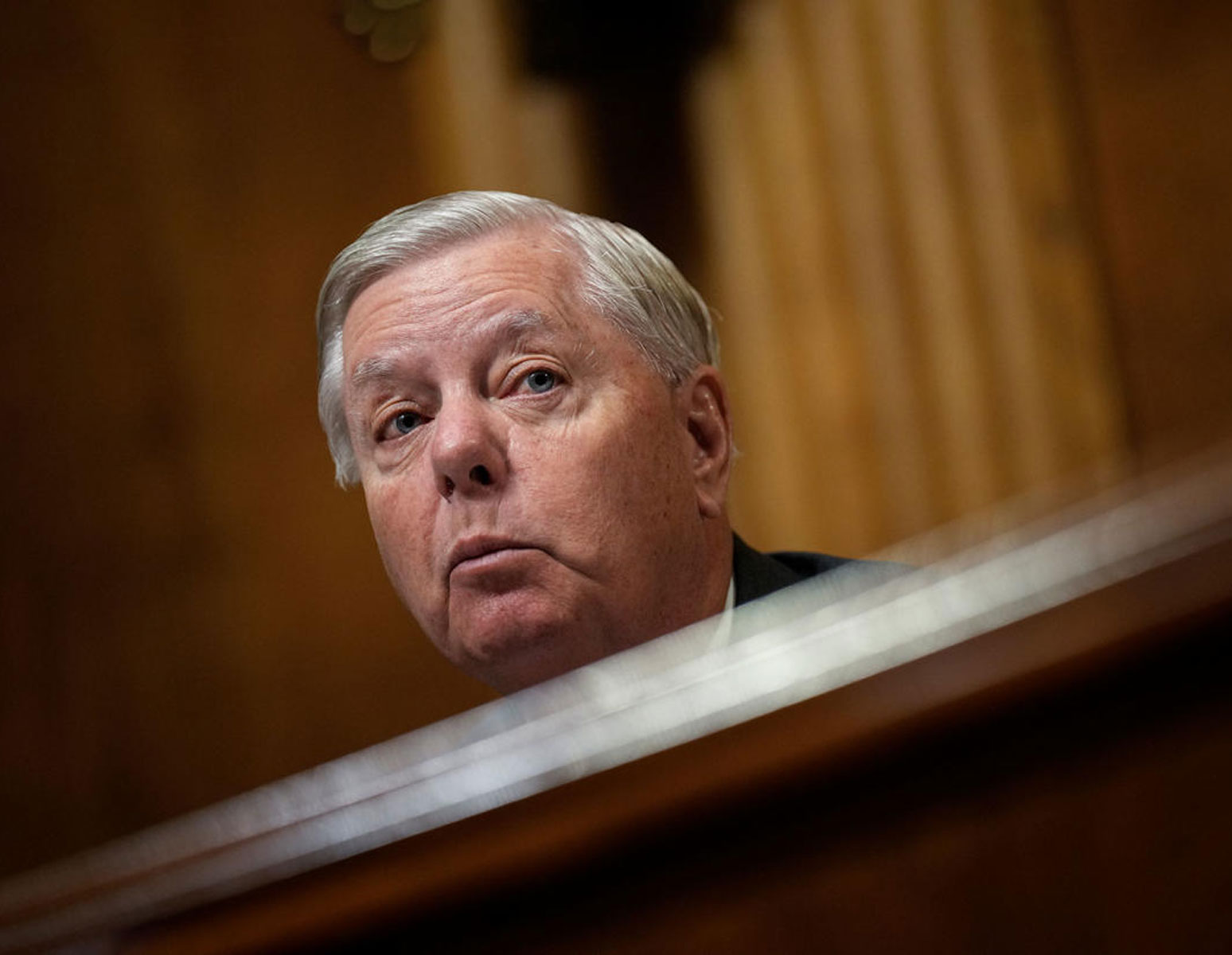
In a stark diplomatic warning, US Senator Lindsey Graham cautioned the United Kingdom against arresting Israeli Prime Minister Benjamin Netanyahu, citing potential economic consequences. The remarks follow the issuance of International Criminal Court (ICC) arrest warrants for Netanyahu and former Israeli Defense Minister Yoav Gallant over allegations of war crimes during the ongoing Israel-Palestine conflict.
Graham’s comments were a direct response to mounting calls for Netanyahu’s accountability amid accusations of crimes against humanity tied to Israeli military actions in Gaza and other Palestinian territories. His stance highlights the strain among Western allies as international pressure builds for legal accountability in the conflict.
The situation intensified after European Union Foreign Policy Chief Josep Borrell emphasized that EU member states are obligated to enforce ICC arrest warrants. This statement has fueled speculation about potential arrests of Israeli officials, including Netanyahu, during international visits.
British Prime Minister Keir Starmer’s government, however, has treaded cautiously. When questioned on whether the UK would detain Netanyahu if he traveled to the country, a spokesperson declined to engage in “hypotheticals,” but reaffirmed Britain’s commitment to international law.
The ICC’s decision, announced on November 21, has triggered widespread debate, with some viewing it as a necessary step toward justice and others warning of the potential geopolitical fallout. The legal process in the UK remains unclear, as questions linger about whether arrest procedures begin upon an ICC warrant’s issuance or only if the accused lands on British soil.
This development underscores the increasing complexities of global diplomacy, as nations balance legal obligations, political alliances, and economic considerations in addressing international conflicts.