

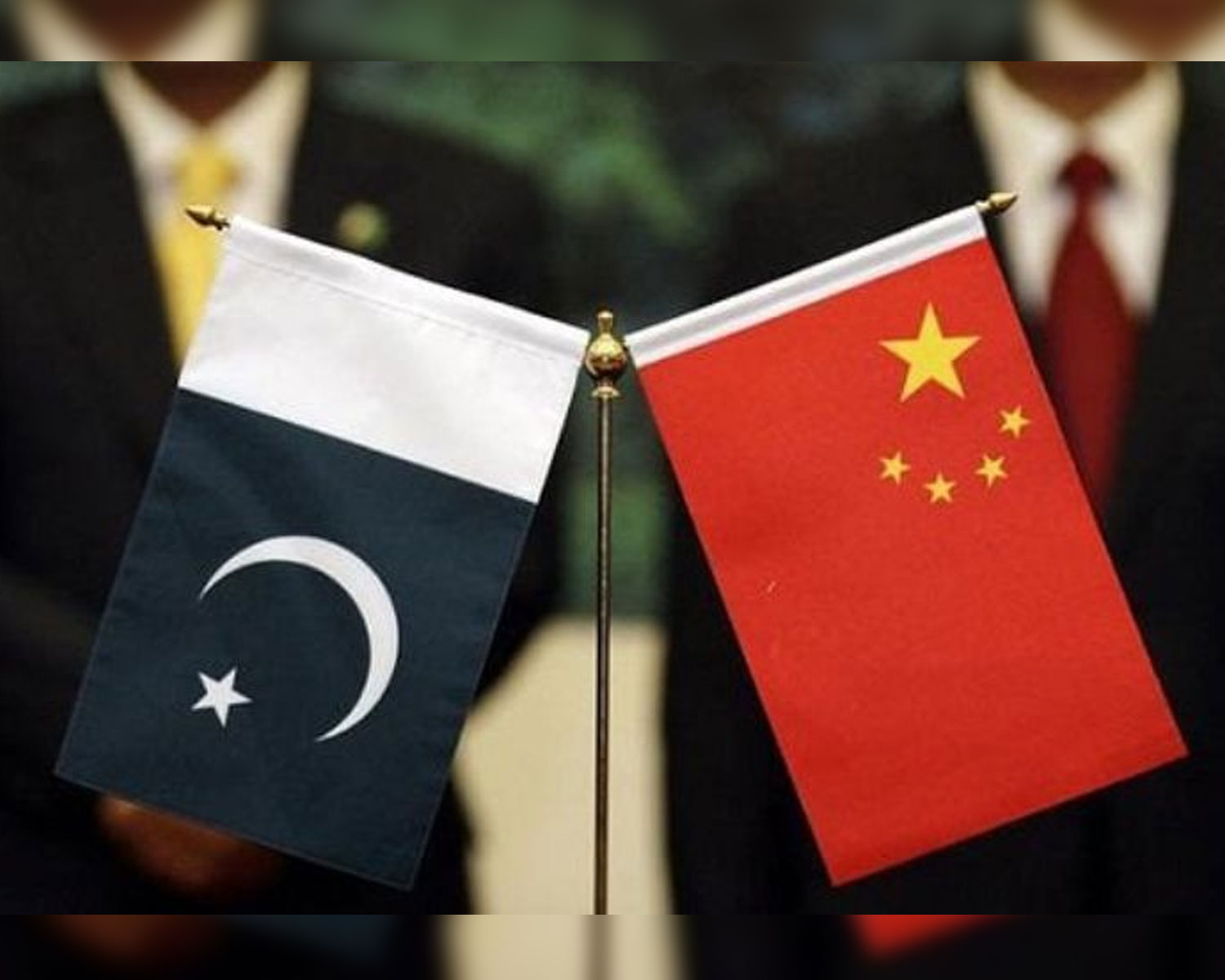
Pakistan and China successfully concluded their 8th round of bilateral consultations focusing on arms control, non-proliferation, and regional security. The two-day event, hosted in Beijing, saw high-level discussions on a range of critical issues.
Leading the respective delegations were Mohammad Kamran Akhtar, Additional Secretary for Arms Control & Disarmament/Policy Planning from Pakistan, and Sun Xiaobo, Director General from China’s Department of Arms Control, Ministry of Foreign Affairs. The Foreign Office spokesperson highlighted the event’s significance in strengthening ties between the two nations.
The talks covered a comprehensive agenda, encompassing arms control, non-proliferation, and strategies to ensure regional and global security. Both sides emphasized the importance of responsible practices in the field of arms control to maintain stability and peace.
As part of the engagement, Pakistan’s delegation visited prominent think-tanks in Beijing, including the China’s Arms Control and Disarmament Association (CACDA) and the Chinese Institute of Contemporary International Relations (CICR). The visits resulted in an agreement to intensify collaboration between think-tanks and research institutes of both countries, fostering deeper understanding and cooperation.
Looking ahead, it was confirmed that the 9th round of consultations will take place next year on a date agreed upon by both parties. This commitment underlines the sustained nature of the collaboration between Pakistan and China on critical security matters.
Prior to the formal talks, Additional Secretary Mohammad Kamran Akhtar held discussions with Sun Weidong, Vice Foreign Minister of the Republic of China. The meeting allowed for a comprehensive exchange of views on the multifaceted aspects of China-Pakistan relations, the global and regional security landscape, and various matters of shared interest.
The successful conclusion of the 8th round of bilateral consultations reflects the strong partnership between Pakistan and China, both committed to promoting stability, security, and peaceful coexistence. The engagement also underscores their dedication to responsible arms control practices and their role in global security efforts.