

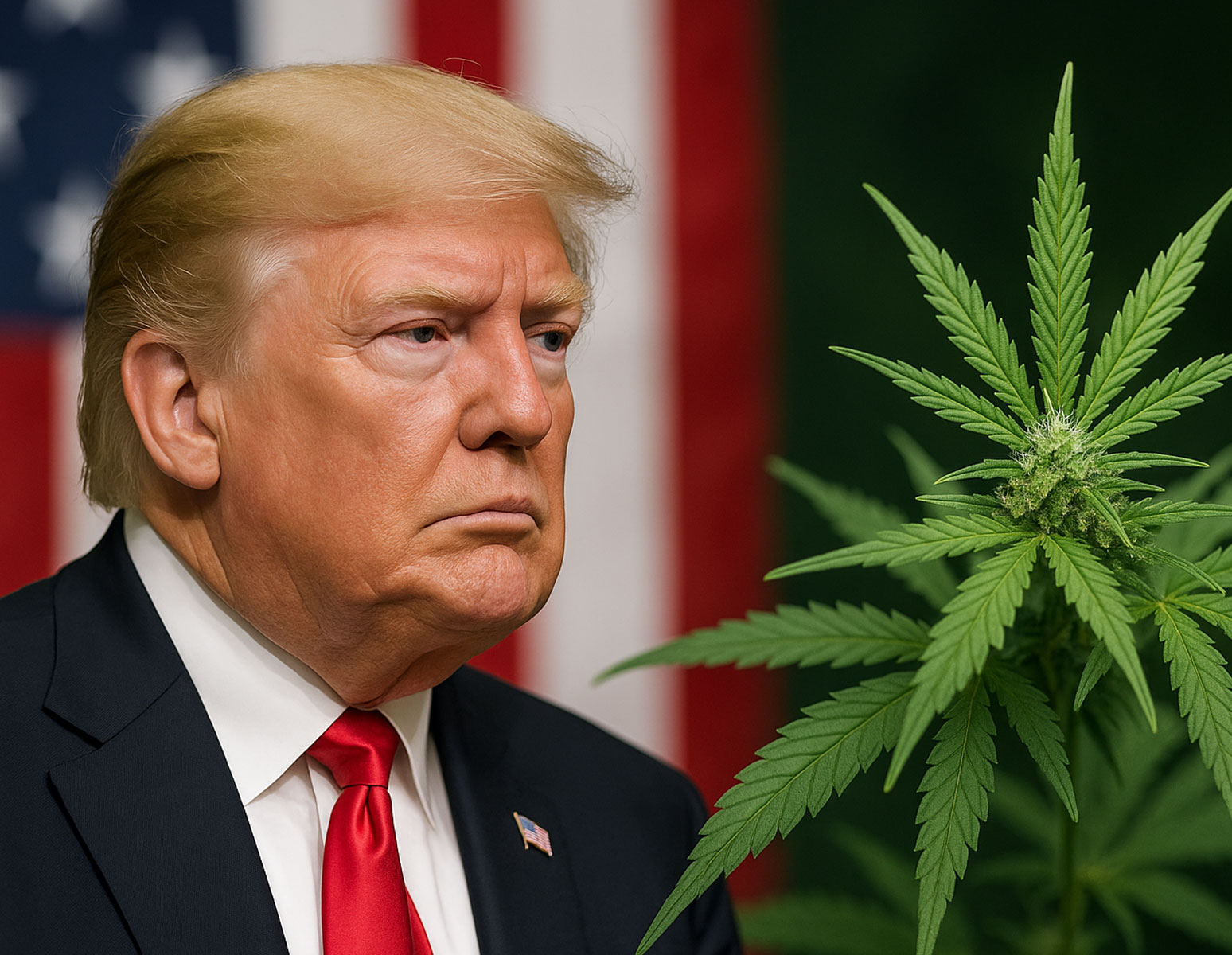
In a decision that has sent shockwaves across the United States and beyond, the US President has legalized marijuana at the federal level, marking one of the most dramatic changes in American drug policy in modern history. The move effectively ends decades of prohibition and places cannabis within a regulated legal framework.
The announcement was made from the White House, where officials described the step as a long-overdue reform aimed at correcting past injustices, boosting the economy, and modernizing outdated laws. Supporters argue that legalization will significantly reduce incarceration rates, particularly for minor drug offenses, while generating billions of dollars in tax revenue and creating thousands of new jobs.
The cannabis industry reacted swiftly, with businesses and investors welcoming what they see as a transformational moment. Medical experts also highlighted the potential for expanded research into cannabis-based treatments, which were previously limited under federal restrictions.
However, the decision has not been without controversy. Critics warn of possible public health risks, increased accessibility for young people, and long-term social consequences. Several lawmakers have called for strict regulations, including age limits, controlled distribution, and strong public awareness campaigns.
Government officials have assured the public that legalization does not mean a lack of control. Clear rules will govern production, sale, advertising, and consumption, with an emphasis on safety, responsibility, and law enforcement oversight.
As celebrations erupt in some cities and heated debates unfold across the nation, one thing is certain: the legalization of marijuana represents a historic turning point that could influence drug policies around the world for years to come.