
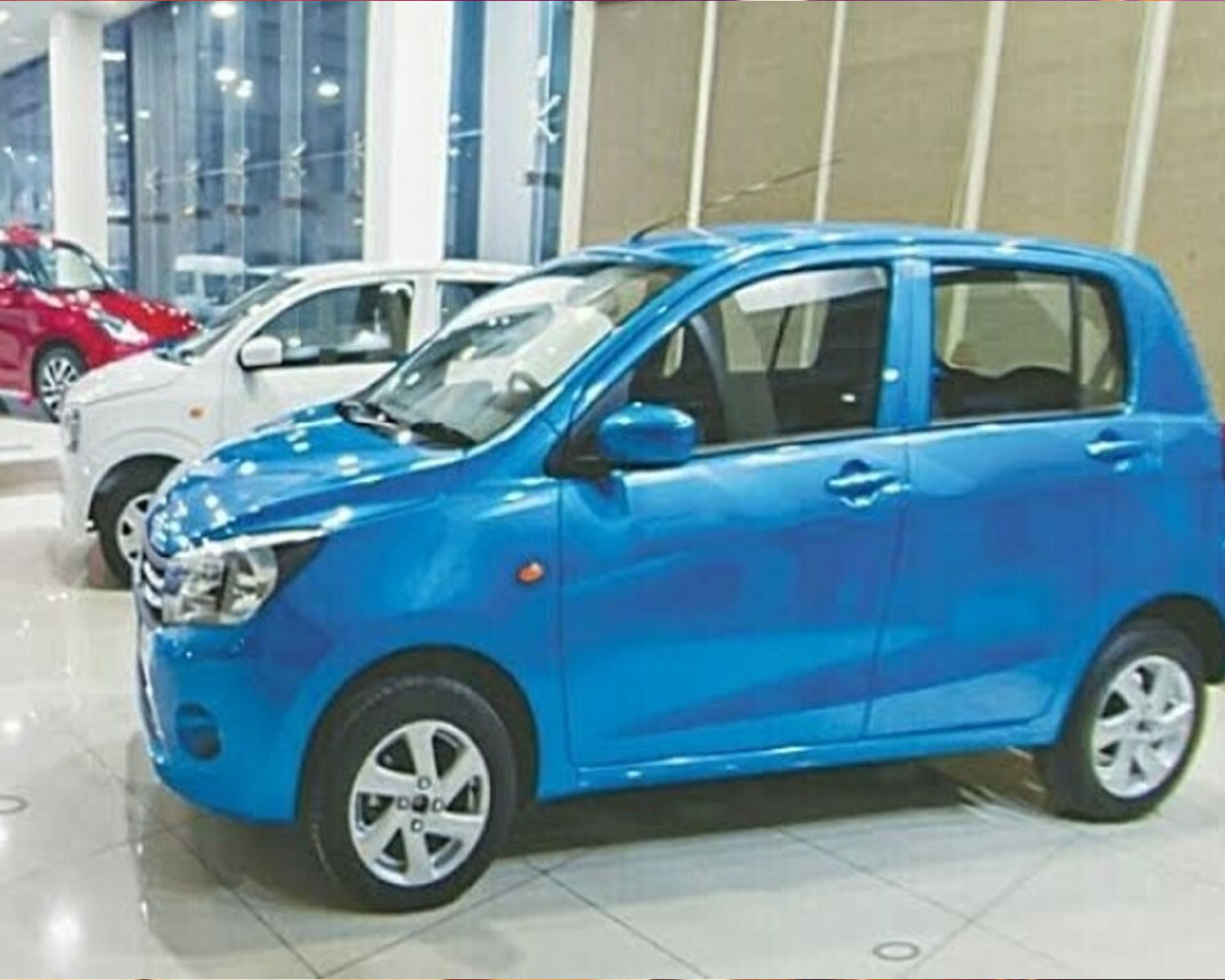
Auto financing in Pakistan continued its downward trend for the 23rd consecutive month, falling to Rs233 billion in May, marking a 22.5% decline year-on-year and a slight 1.2% drop from April 2024, according to data from the State Bank of Pakistan (SBP).
From a peak of Rs368 billion in June 2022, the outstanding auto loans have plummeted by Rs135 billion to their current level, underscoring a persistent slump in consumer borrowing for vehicle purchases.
Despite the SBP’s recent interest rate cut to 20.50% from a prolonged 22%, industry analysts remain skeptical about an immediate recovery in auto financing. Tahir Abbas of Arif Habib Ltd highlighted that high inflation and upcoming fiscal measures are likely to further dampen consumer spending power, prolonging the decline in auto loans over the next several months.
In contrast, Mohammed Sohail, CEO of Topline Securities, expressed optimism, predicting a gradual rebound in auto loans in the coming months amid improving private sector credit.
Meanwhile, in a significant development, Hub Power Holdings Ltd has entered the electric vehicle (EV) sector in collaboration with China’s BYD Auto Industry Company Ltd through its subsidiary Mega Motor Company (Pvt) Ltd. The initiative marks a strategic shift for Hubco, diversifying its business into sustainable transportation solutions amidst a challenging automotive financing landscape.
The venture, subject to regulatory approvals, underscores a growing interest in EV technology as a potential avenue for future growth in Pakistan’s automotive sector.
The overall sales of cars, jeeps, LCVs, and pickups surged to a 17-month high of 10,949 units in May, reflecting a 100% increase year-on-year, albeit lower on an annual basis for FY24 due to financing constraints and economic uncertainties.
Despite these challenges, private bank financing for used cars continues to support the auto market, offering a lifeline amid the broader decline in new vehicle purchases