
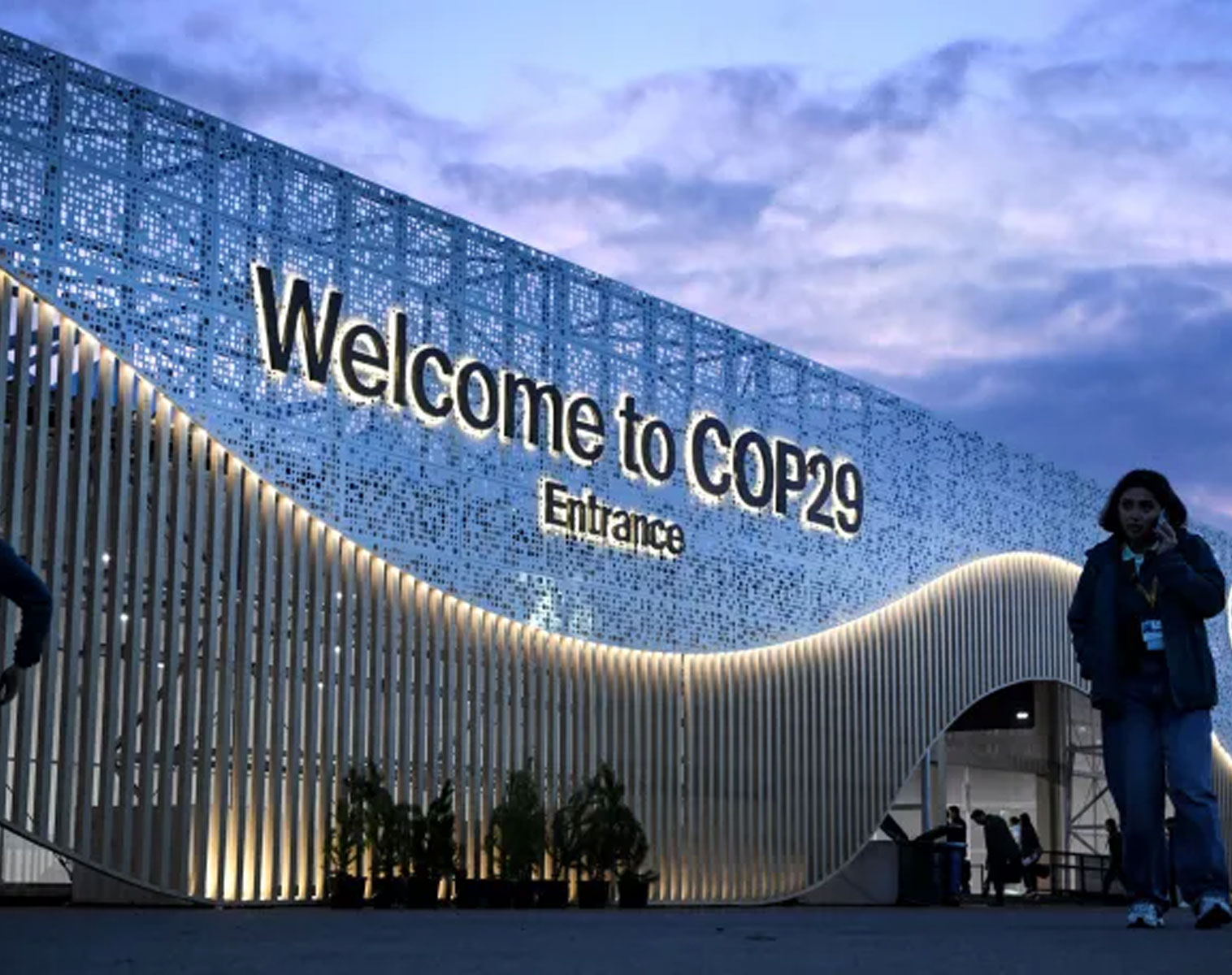
A coalition of conflict-affected countries is advocating at the COP29 climate conference to double annual financial aid to over $20 billion, according to a letter shared with Reuters. The push comes amid escalating natural disasters and security crises impacting these nations.
The coalition is one of several groups at the climate talks in Azerbaijan striving for better preparedness funding as global leaders work toward setting new annual financial targets. Island nations and rainforest states emphasize their unique vulnerabilities, including rising sea levels and the protection of critical carbon reserves. Conflict-hit countries argue that they face added obstacles to private investment due to perceived risk, making UN funds crucial for their displaced and vulnerable populations.
On Friday, the COP29 Azerbaijan Presidency is set to announce a new ‘Network of Climate-vulnerable Countries’, encompassing members of the g7+ group. This network aims to strengthen advocacy efforts, enhance financial absorption capacity, and create platforms for easier investment into impactful projects. Participating countries include Burundi, Chad, Iraq, Sierra Leone, Somalia, Timor-Leste, and Yemen, with all 20 g7+ member states invited.
“We hope it becomes a real platform for those in need,” stated Abdullahi Khalif, Somalia’s chief climate negotiator.
The g7+ group, in a letter sent last month to major global institutions, called for an explicit commitment in any final COP29 deal to double climate adaptation financing by 2026. Current funding levels, at $8.4 billion in 2022, met only a fraction of the need, ODI Global analysis revealed. Mauricio Vazquez, ODI Global’s head of policy for global risks, stressed, “Climate funds are not adequately supporting the most vulnerable populations.”
The coalition highlights the extreme disparity faced by conflict-affected regions; UNICEF data shows a child in South Sudan was 38 times more likely to be displaced by climate-related disasters in 2022 compared to children in Europe or North America.
As negotiations progress, these nations hope to secure commitments that would bridge the climate financing gap, bolstering their resilience and protecting millions of lives.