

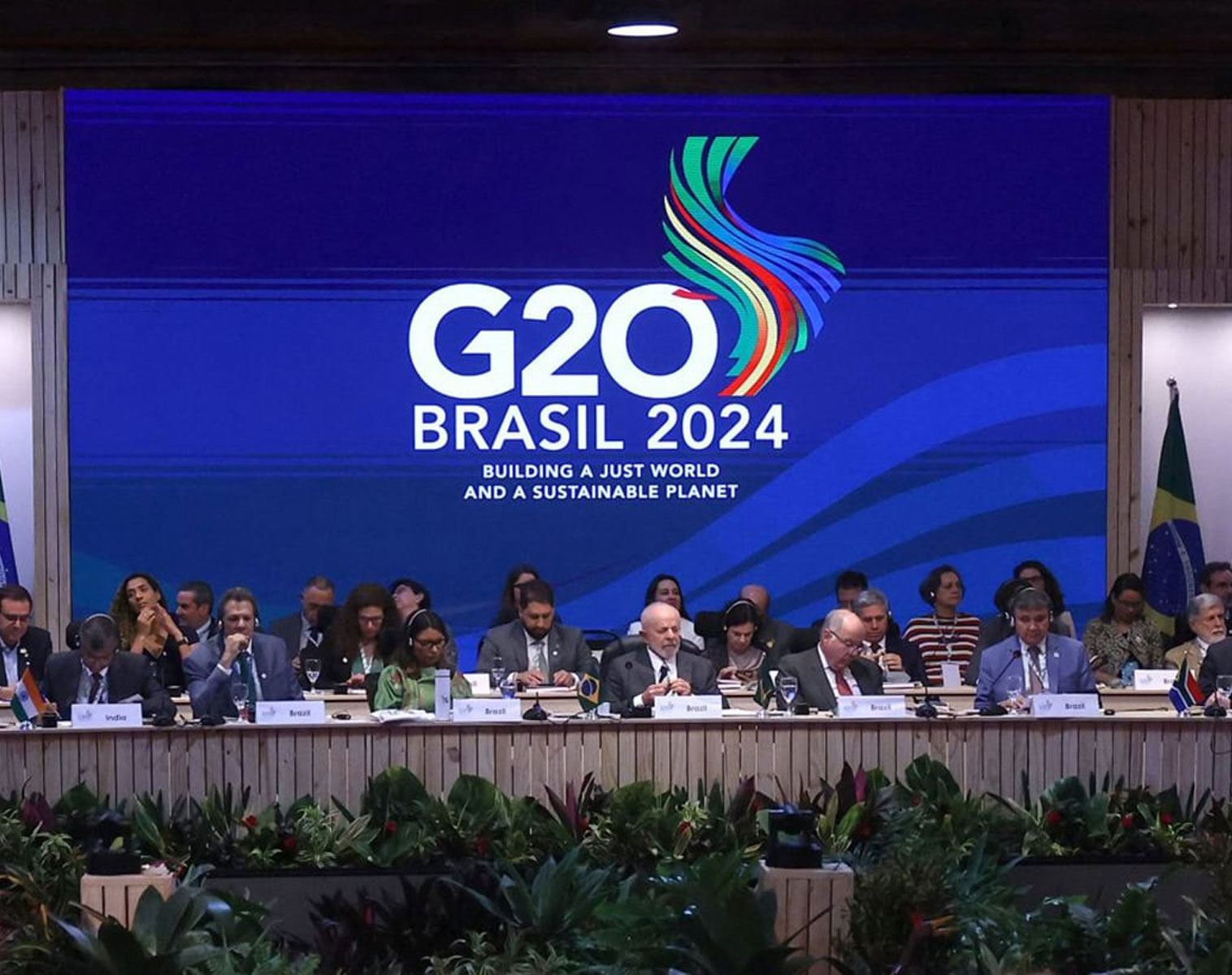
World leaders have convened in Rio de Janeiro for the G20 summit, hosted at the iconic bayside Museum of Modern Art, to tackle pressing global issues including poverty eradication, climate financing, and international cooperation. The meeting is overshadowed by uncertainty surrounding U.S. politics, with President Joe Biden attending his final summit amid speculation over Donald Trump’s potential return to power.
Biden’s participation caps off a final international tour aimed at cementing his legacy, highlighted by a historic visit to the Amazon, where he underscored his administration’s climate efforts. While Biden has sought to assure allies that U.S. climate policies would endure even if Trump were to reclaim the White House, concerns remain about potential shifts under an “America First” agenda.
The star of the summit is expected to be Chinese President Xi Jinping, positioning himself as a defender of global trade and multilateralism. Meanwhile, Brazil’s President Luiz Inácio Lula da Silva is using his role as host to spotlight Global South issues, such as economic inequality and environmental action. Lula, who rose from poverty to power, plans to unveil a “Global Alliance against Hunger and Poverty,” emphasizing his commitment to the world’s most vulnerable.
“Today there isn’t any [food], but tomorrow there will be,” Lula declared, sending a message of hope to the estimated 733 million people facing hunger worldwide.
Security and Background Tensions
Security at the summit is tight following a recent, thwarted bomb attack on Brazil’s Supreme Court, believed to have been carried out by a far-right extremist. This incident underscores heightened political tensions as leaders meet under intense global scrutiny.
Adding to the summit’s complex backdrop are ongoing global conflicts. However, Lula emphasized that the wars in Ukraine and the Middle East would not dominate the agenda. “We will focus on the poor,” he told GloboNews, aiming to shift the conversation toward socioeconomic priorities.
Climate and Multilateral Stalemate
The G20 aligns with the concurrent COP29 climate talks in Azerbaijan, where progress has been stalled over financial commitments from developed nations to support developing countries in combating climate change. UN Secretary-General António Guterres has urged the G20, responsible for 80% of global emissions, to step up with decisive leadership.
Brazil has already experienced severe environmental repercussions, enduring its most catastrophic wildfire season in over a decade due to record drought conditions tied to climate change. Yet, despite calls for more ambitious measures, there remains no consensus on phasing out fossil fuels, a sticking point since the last G20 summit in India.
A Brazilian diplomat expressed hope for breakthroughs, despite resistance from fast-developing nations like China against increased climate funding responsibilities.
Contentious Economic Reforms
Economic measures are also on the table, with Lula advocating for higher taxes on billionaires as part of his poverty alleviation strategy. Argentina, however, has presented resistance, though Brazilian sources claim a draft final statement has garnered tentative approval from most G20 members. Argentine delegation head Federico Pinedo signaled possible non-endorsement, without elaboration on specific objections.
As leaders navigate these pivotal discussions, eyes are on Rio for resolutions that might chart a course toward more equitable global policies and enhanced environmental commitments.