

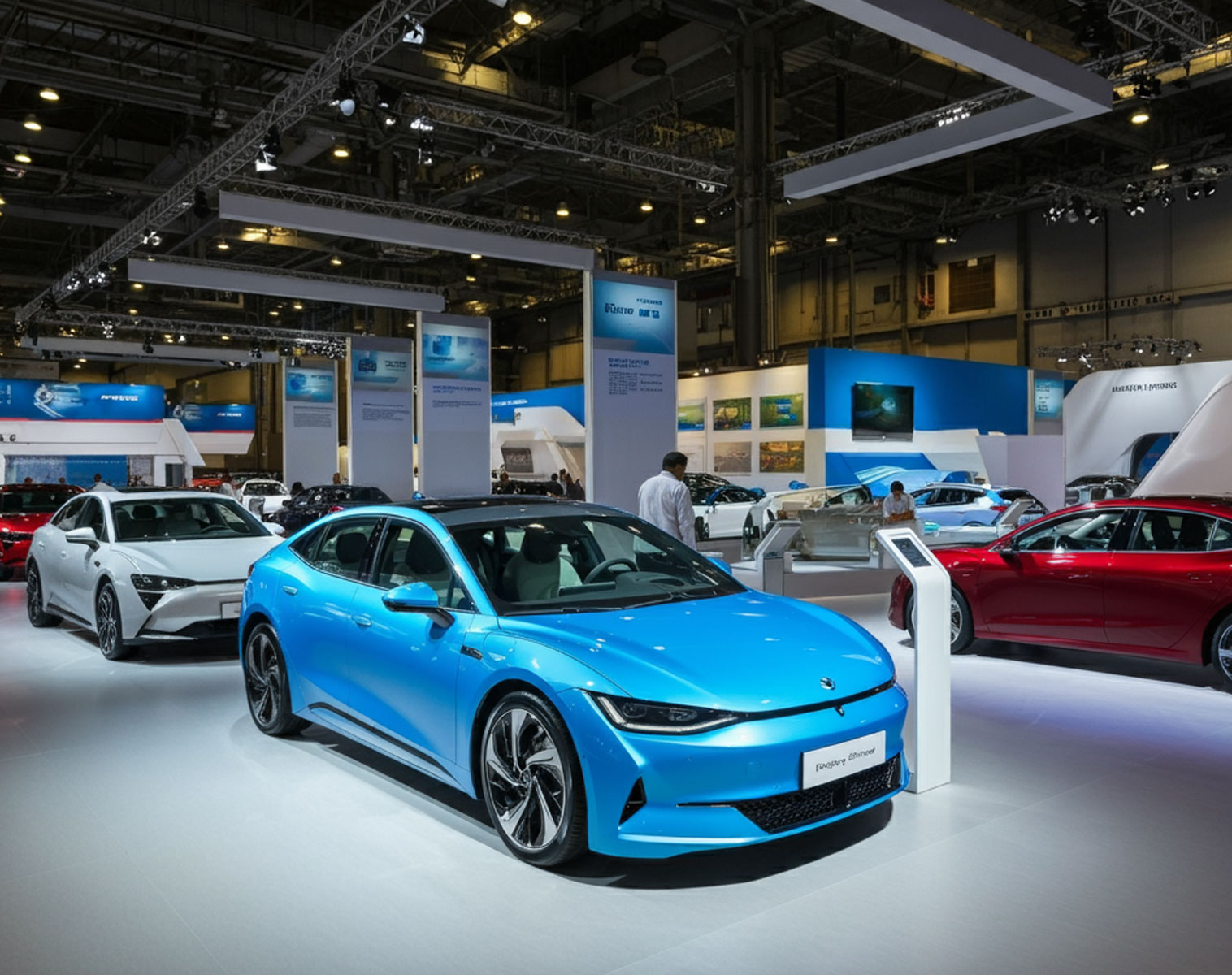
The recent launch of high-end hybrid electric vehicles (HEVs) and electric vehicles (EVs) by both established manufacturers and new entrants indicates a potential economic rebound in the country, suggesting an improvement in living standards. However, the dynamics of the automotive market reveal a different story.
Despite the government’s optimistic claims that these new energy vehicles (NEVs) will help reduce petrol and diesel imports, experts caution against jumping to conclusions without thorough demand analysis. The market appears to cater predominantly to a limited elite, as these sleek and stylish HEVs and EVs are primarily designed for affluent buyers rather than the broader population, which often includes lower- and middle-income families.
The wealthy class, accustomed to frequent vehicle upgrades, often replaces their costly petrol and diesel SUVs and sedans—models like the Toyota Fortuner, Honda Civic, and Hyundai Tucson—with newer models, including HEVs and EVs. However, the question remains: can these pricey NEVs truly contribute to a reduction in fuel imports?
Industry expert Mashood Ali Khan points out that for affluent business leaders, bureaucrats, and landowners, the financial implications of transitioning to HEVs and EVs are negligible. “For them, saving on petrol and diesel is not a priority,” Khan explained. He noted that while buyers of high-end sedans like the Honda Civic may switch to electric options, those favoring double cabin vehicles might resist due to their preference for maintaining a certain lifestyle, often accompanied by security details.
The market for double cabins, SUVs, and luxury cars in Pakistan stands between 25,000 and 35,000 units annually. As new buyers for EVs and HEVs emerge from this limited pool, the potential for these vehicles to significantly reduce diesel and petrol import bills appears uncertain. Khan cautioned that a shift from fuel-driven vehicles to electric alternatives could negatively impact local parts manufacturers due to diminished sales volumes.
Under the current Auto Policy (2021-2026), new entrants are either testing the market through imports or beginning local assembly with minimal localization efforts. This honeymoon period allows them to operate without stringent localization requirements, but long-term viability will depend on increasing local production to manage costs.
Khan emphasized the importance of engagement between new manufacturers and the local parts supply industry. “Japanese assemblers typically involve vendors two years before launching a new model, ensuring better localization,” he said. New entrants must prioritize similar strategies to enhance local content before the incentive period ends.
Comparatively, India has successfully offered low-priced fuel-based vehicles, HEVs, and EVs, bolstered by annual sales exceeding four million units and a strong governmental push for localization. In contrast, Pakistan’s market for passenger vehicles remains limited, with annual sales below 100,000 units. Tax structures further complicate matters; India’s GST on EVs stands at 5%, whereas local assemblers in Pakistan contend with over 40% in taxes and duties.
Exchange rates also pose challenges, with one dollar equating to Rs278 in Pakistan compared to Rs84 in India. Consequently, prices for HEVs and EVs in Pakistan range from Rs8.3 million to Rs23.50 million, while similar models in India, such as the Hyundai IONIQ 5 and Honda City HEV, start at significantly lower prices.
Ultimately, while the launch of NEVs may signify a recovery in certain economic sectors, their ability to reshape the auto market and reduce fuel imports remains to be seen. The focus on high-end electric options risks sidelining the needs and capacities of the average consumer, raising questions about the broader implications of these developments in Pakistan’s automotive landscape.