

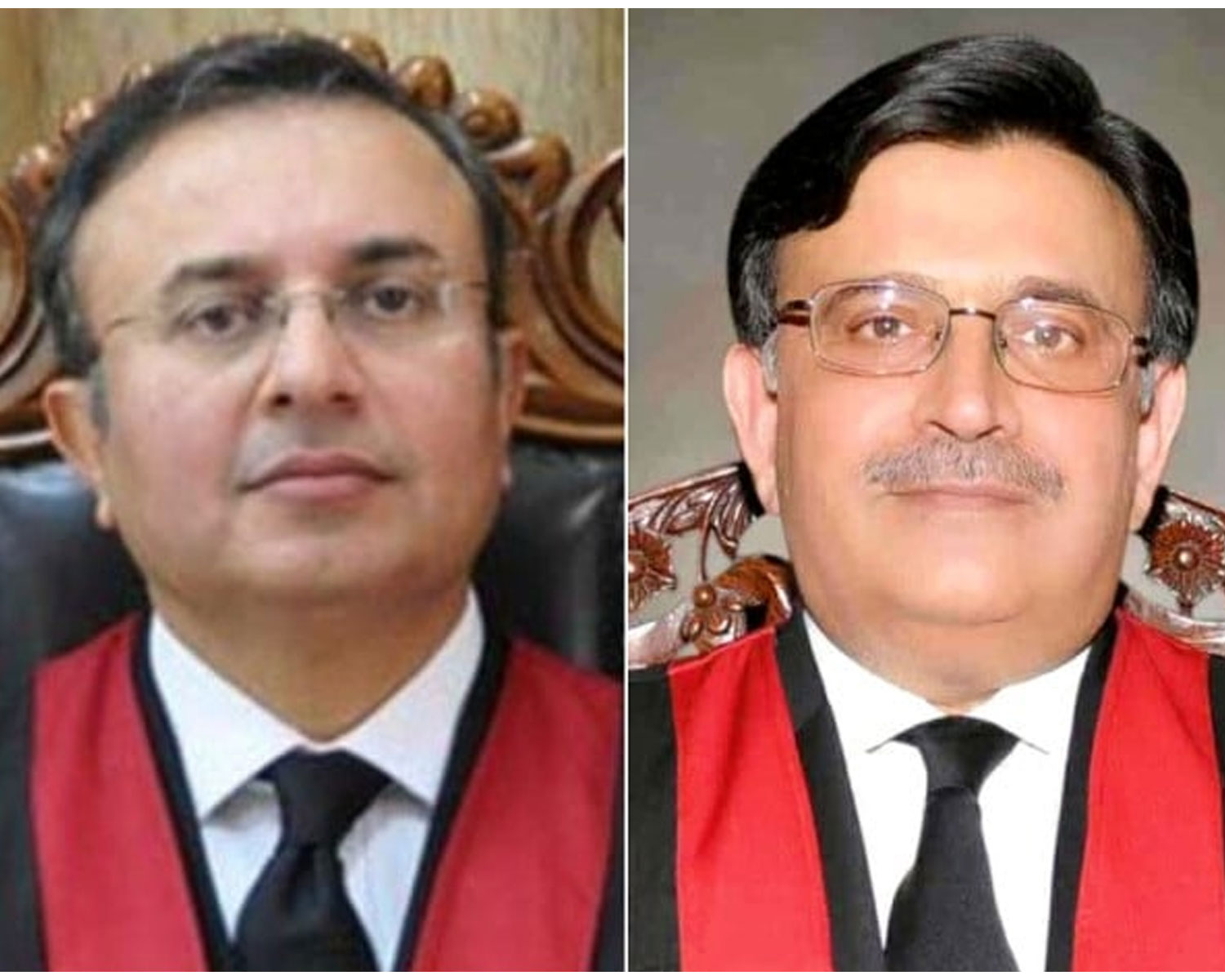
In a significant development, Justice Mansoor Ali Shah of the Supreme Court has recommended that Chief Justice Umar Ata Bandial convene a full court to address the Pakistan Tehreek-e-Insaf’s (PTI) plea challenging the amendments made to the National Accountability Bureau (NAB). The PTI had filed the application last year, contesting the alterations introduced by the Pakistan Muslim League-Nawaz (PML-N)-led coalition government to the National Accountability Ordinance (NAO) 2000.
A report submitted by the National Accountability Bureau (NAB) to the Supreme Court has unveiled that the changes made to the NAO have resulted in favorable outcomes for over 90 percent of cases under the bureau’s purview, even encompassing high-profile cases. This revelation has spotlighted the significance of the case, as it revolves around the amendments introduced to the National Accountability (Second Amendment) Act in 2022. These amendments were enacted by the previous Pakistan Democratic Movement (PDM) government, which came into power in April of the same year.
The Pakistan Tehreek-e-Insaf (PTI) has vehemently criticized the PDM’s decision to endorse these amendments, labeling it an endeavor to curtail the powers of the anti-graft watchdog. This legal battle has taken on a broader political context as it touches on the balance of authority between different political factions and the role of the accountability system.
Adding to the evolving landscape, last year in July, the federal cabinet passed the National Accountability (Third Amendment) Bill for 2022. This bill further constrained the NAB’s jurisdiction in cases of corruption involving sums surpassing Rs500 million. Additionally, it stripped the president of the authority to appoint judges for the accountability court.
As the legal proceedings continue to unfold, the implications of this case reach beyond the legal domain and intersect with the political dynamics of Pakistan. The decision of whether to uphold or overturn the NAB amendments will likely have far-reaching consequences for the country’s anti-corruption efforts and the broader democratic process.