

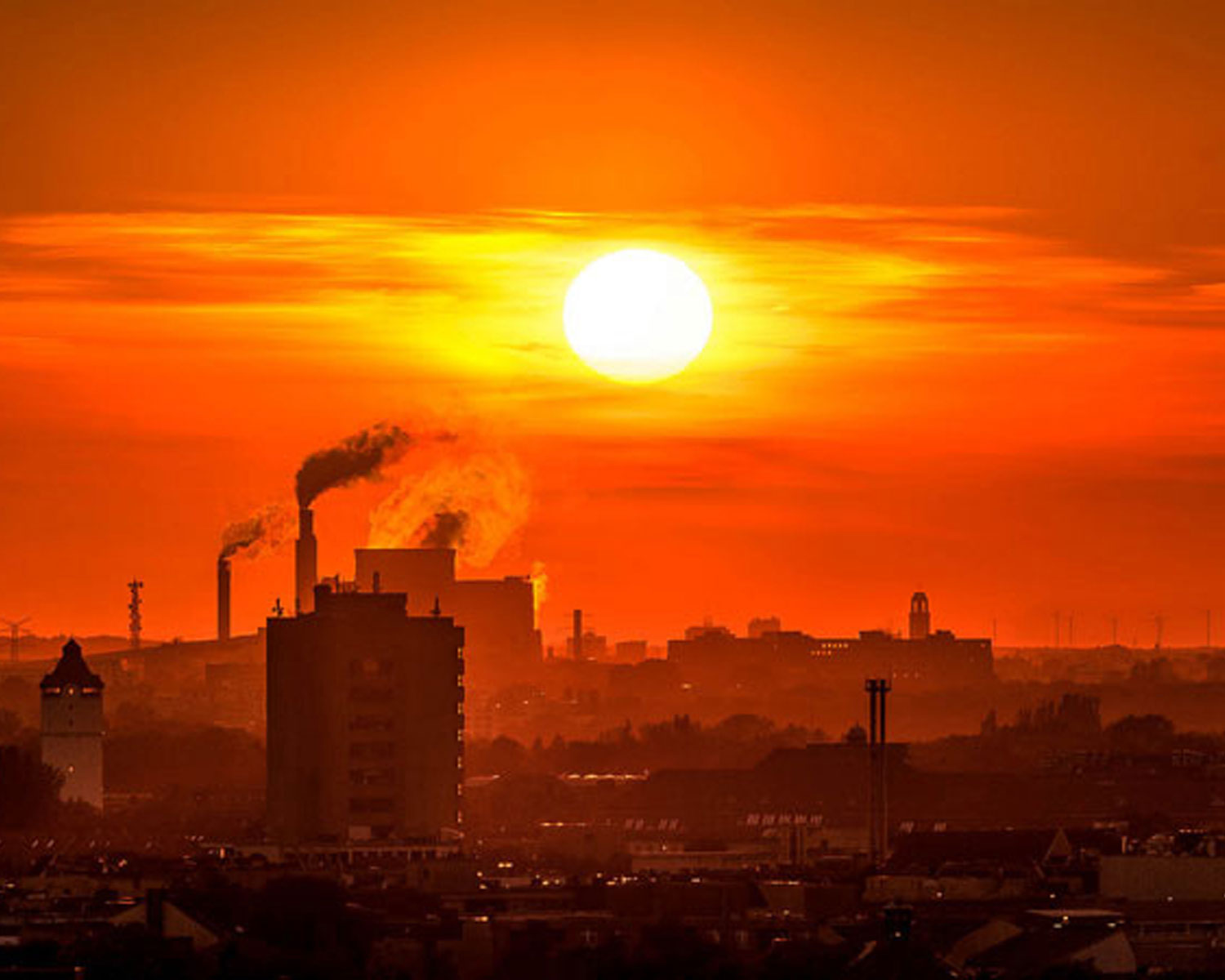
The United Nations issued a stark warning on Thursday, urging nations to intensify their climate action plans within months to avert devastating global warming. Released just ahead of the COP29 climate talks in Azerbaijan, the UN Environment Programme’s (UNEP) annual Emissions Gap Report underscores the need for countries to bolster their carbon reduction commitments to avoid catastrophic temperature increases.
Emissions Rising to Record Highs
Despite global climate pledges, emissions continue to climb. In 2023, planet-warming pollution rose by 1.3% from the previous year, reaching a record high of 57.1 billion tonnes of CO₂ and equivalent greenhouse gases. This trend jeopardizes the 1.5 degrees Celsius warming limit—long seen as crucial for a safer climate. Meeting this goal requires a 40% reduction in emissions by 2030, which the UN says equates to a 9% annual decrease from 2019 levels.
Leading Polluters
The report notes that 77% of global emissions in 2023 came from the G20 nations. China, the United States, and India alone contributed nearly half of all carbon emissions globally, with China accounting for 30%, the US 11%, and India 8%. Among these top emitters, only the US and EU managed to reduce their emissions in 2023, with reductions of 1.4% and 7.5%, respectively.
A Call for Enhanced Commitments
Nearly 200 countries have pledged climate commitments under the Paris Agreement, known as Nationally Determined Contributions (NDCs). However, the UNEP report cautions that even if fully implemented, current NDCs would still lead to a 2.6°C increase in global temperatures by 2100. This figure could rise to 3.1°C if current policies remain unchanged. UNEP is calling for a “quantum leap” in ambition in the next round of pledges due early next year, as countries prepare for the COP30 climate talks in Brazil.
A Historical Perspective
The United States holds the largest cumulative carbon footprint, responsible for 20% of global emissions from 1850 to 2022, followed by China and the EU at 12% each.